
Proper lighting is essential to both the look and usability of your home. A well-designed lighting plan combines general, task, and accent lighting to create spaces that are comfortable, functional, and visually appealing. When layered correctly, lighting enhances architectural details, improves how colors and textures appear, supports everyday activities, and transforms how each room feels and functions.
Thoughtful lighting also plays a major role in shaping mood and defining spaces throughout the home. From daily routines to entertaining guests, the right lighting elevates your interior design while making your home more inviting and practical.
What Is the Difference Between General, Task, and Accent Lighting?
A successful lighting plan relies on three main types of lighting, each serving a distinct purpose.
General lighting provides overall illumination and makes a room visible and usable.
Task lighting delivers focused light for activities like cooking, reading, or working.
Accent lighting adds depth and drama by highlighting focal points such as artwork or architectural features.
Interior Design Guide to Properly Lighting Each Room in Your Home
Foyers and Entryways
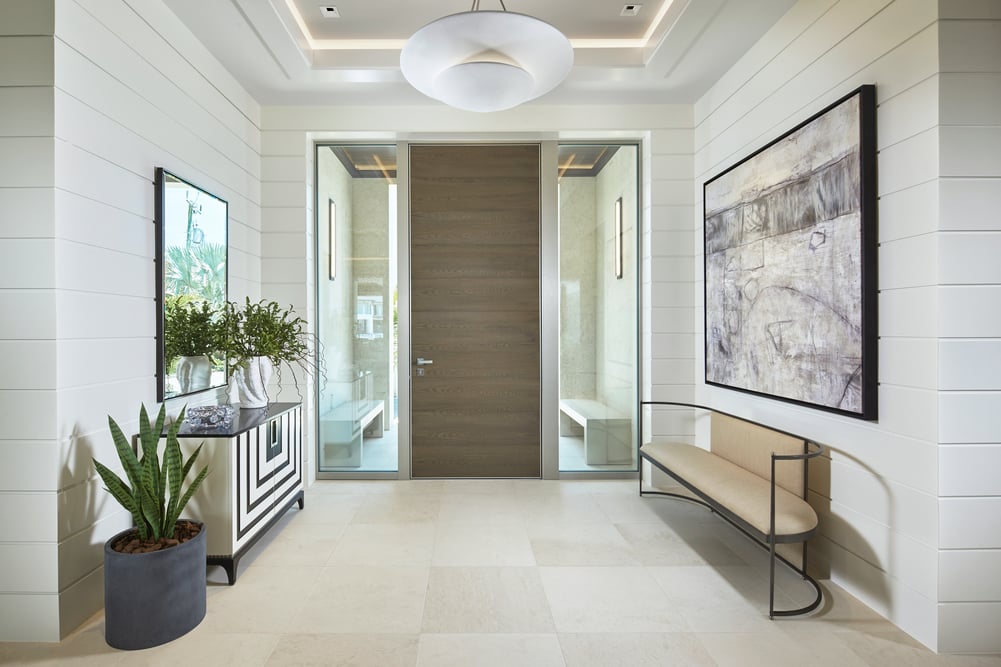
Your foyer or entryway sets the tone for your entire home, so lighting should feel warm and welcoming. Chandeliers, pendants, and wall sconces work well to create an inviting first impression while providing enough light for safe entry.
Layering overhead lighting with accent fixtures can also help highlight architectural details and add visual interest right at the front door.
Living Rooms
Living rooms serve multiple purposes, from relaxing to entertaining, so flexibility is key. A mix of overhead lighting, floor lamps, and table lamps allows you to adapt the space throughout the day. Installing dimmers gives you control over brightness and ambiance for different occasions. Natural light is also an important element. Opening shades and draperies during the day enhances the space while reducing energy use.
Dining Rooms
Your dining room is a place for relaxation - a place where you will share many family meals and host dinner parties, so lighting is extremely important in this space. Strategically placed pendant lights or chandeliers above the dining room table are a must. And of course, don’t forget to install dimmers in your dining room lighting. It is a fantastic way to add drama and ambience.
Kitchen
All the lighting in your kitchen should be utilitarian and task-focused, pointing downward toward your work surfaces. A good ceiling light is also necessary in the kitchen (for example, recessed lighting). The kitchen is also a great place to combine aesthetics with functionality. The use of under-cabinet lighting can greatly define the character of that space, all while adding functionality.
![[1. After] Sancerre Renovation_Kitchen 3-1](https://www.romanza.com/hs-fs/hubfs/%5B1.%20After%5D%20Sancerre%20Renovation_Kitchen%203-1.jpg?width=952&height=635&name=%5B1.%20After%5D%20Sancerre%20Renovation_Kitchen%203-1.jpg)
Bedrooms
Bedrooms benefit most from soft, ambient lighting that promotes rest and relaxation. Bedside lamps or wall-mounted fixtures with dimmers offer flexibility for reading while maintaining a calm atmosphere. Avoid harsh overhead lighting and focus instead on creating a layered, soothing environment that supports winding down at the end of the day.
How Do Layered Lighting and Accent Lights Enhance a Space?
Once you’ve selected the right lighting for each room, layering becomes the finishing touch. Combining multiple light sources adds depth, highlights architectural features, and allows you to tailor lighting to different moods and activities. The right layering can transform a space from plain to polished, making it feel intentional, comfortable, and inviting.
Ready to Transform Your Home With Expert Lighting Design?
Lighting and interior design go hand in hand when creating a home that feels both beautiful and functional. If you’re ready to elevate your space with a thoughtful lighting plan, contact Romanza Interior Design today to schedule a consultation with one of our award-winning designers.
